What Does DECT 6.0 Mean on a Cordless Phone?
A DECT 6.0 cordless phone uses a dedicated 1.9 GHz frequency band to connect its handsets to its base, helping reduce interference from Wi-Fi. Choose the handset count, answering machine, call blocking, and mobile calling features separately.
On this page (9 sections)
- What does DECT 6.0 mean for a cordless phone?
- Does DECT 6.0 mean the phone has Wi-Fi?
- How far does a DECT 6.0 cordless phone reach?
- Does DECT 6.0 improve call privacy?
- Which DECT 6.0 cordless phone suits your home?
- Which features matter more than the DECT label?
- How do you set up a DECT 6.0 cordless phone?
- How do you keep the phone working reliably?
- Which DECT 6.0 cordless phone should you choose?
A DECT 6.0 cordless phone connects its handsets to a base using a dedicated 1.9 GHz frequency band, helping reduce interference from Wi-Fi. It doesn't automatically include an answering machine, call blocking, or mobile calling.
Choose the phone around the calls you make and the rooms where you answer them. The radio standard matters, but handset placement and everyday controls will shape how useful the system is.
What does DECT 6.0 mean for a cordless phone?
DECT 6.0 describes the wireless connection between the base and handsets. The base connects to your phone service, while the handsets let you move around without carrying a phone cord.
DECT stands for Digital Enhanced Cordless Telecommunications. In North America, the “6.0” name refers to this version of the technology, not a 6 GHz frequency or a handset limit.
A multi-handset set can share one phone connection. Extra charging cradles need power, but they don't each need a wall phone jack.
More handsets also don't mean more phone lines. All 4 systems below are single-line systems, so choose them for convenient access around the home rather than separate household phone lines.
Does DECT 6.0 mean the phone has Wi-Fi?
No, DECT 6.0 isn't Wi-Fi. DECT carries calls between the handsets and base; Wi-Fi connects devices to a local network.
Your phone service can use the internet without the handsets using Wi-Fi. In that setup, the base connects to compatible phone equipment, and DECT handles the cordless part.
Our guide to cordless phones for VoIP explains that connection. Don't buy a DECT set expecting it to join your router wirelessly just because your home phone service comes through the internet.
How far does a DECT 6.0 cordless phone reach?
Indoor coverage depends on your home, not just the range printed on the box. Walls, floors, large obstacles, and base placement can affect how far you can walk while keeping a clear call.
VTech advertises up to 1,000 ft for the VG231-3, including coverage through walls and multiple floors. That figure doesn't give a room-by-room coverage map for your house.
Place the base in an open location near the center of the area you want to cover, where the phone connection allows. Avoid hiding it inside a cabinet or behind large metal objects.
Check a call from the bedroom, kitchen, stairs, and any outdoor spot you expect to use. Adding another charging cradle gives you a convenient place to leave a handset; it doesn't extend the base's radio coverage.
Does DECT 6.0 improve call privacy?
A separate frequency band isn't a complete privacy safeguard. It helps keep the cordless connection separate from common Wi-Fi traffic, but it doesn't secure voicemail, account access, or the person listening nearby.
Use a private voicemail access code and enable available security settings on your phone service account. Choose a handset rather than speakerphone when other people shouldn't hear the conversation.
If you need a specific security feature, confirm it for the exact model. The DECT 6.0 label alone isn't enough to judge every part of a call's privacy.
Which DECT 6.0 cordless phone suits your home?
Choose by handset count and call features first. These 4 systems serve different needs even though they share the same cordless technology.
Count the places where someone needs to answer without crossing the house. Our guide to how many cordless handsets you need can help you avoid buying extra chargers for rooms that rarely need a phone.
VTech DECT 6.0 cordless phone: for basic calls in 3 rooms
Choose the VTech VG231-3 for straightforward calling when you already have a plan for missed calls. It has no built-in answering machine or call blocking, so skip it if either feature is essential.
Large lighted buttons help with dialing in dim rooms. The full-duplex speakerphone lets both sides speak at once, which suits calls where you need your hands free to take notes.
Quiet Mode silences the system's ringers when you don't want interruptions. Before choosing this set, check whether your phone service includes voicemail and how you'll know a message is waiting.
AT&T BL102-3: for households that screen calls
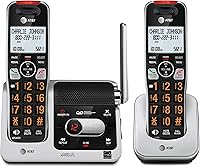
Choose the BL102-3 when unwanted calls and missed messages are your main concerns. Smart Call Blocker screens robocalls and includes a directory for up to 1,000 blocked names and numbers.
Caller ID announce helps you decide whether to answer without first reading the screen. The phone also has a 2 in display, a lighted keypad, Audio Assist, and a full-duplex handset speakerphone.
Skip it if you only need basic calls and won't use its screening or message controls. It also isn't the choice here for routing smartphone calls through home handsets; the DL72419 fills that role.
AT&T CL82218: for homes that need only 2 handsets
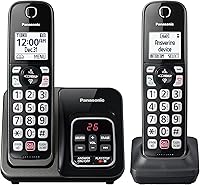
Choose the CL82218 for call screening without a third handset to place and charge. A living-room base and bedroom charger may cover your routine better than a larger set.
Its answering system provides 22 minutes of recording, with a voice guide for setup. Push-to-talk intercom helps household members speak between handsets without making an outside call.
Skip this package if you already know you need a phone in 3 or 4 separate rooms. For a later addition, confirm the accessory handset's compatibility before following our guide to pairing an AT&T cordless phone to its base.
AT&T DL72419: for mobile calls around the house
Choose the DL72419 if you want to answer smartphone calls from home handsets. Bluetooth Connect to Cell pairs up to 2 smartphones, or 1 phone and 1 headset.
This suits a household that wants phones within reach in several rooms while leaving a paired mobile phone in one place. Its 1.8 in backlit displays and lighted keypads support dialing in low light.
Skip it if you need only 1 or 2 answering spots and won't use mobile calling. Bluetooth pairing also doesn't remove the need for the paired smartphone to remain within a usable Bluetooth connection to the base.
Which features matter more than the DECT label?
Match the controls to the person using the phone. A readable screen, suitable keypad, and easy message access can matter more each day than a long feature list.
For missed calls, decide whether you'll use provider voicemail or a built-in answering machine. If both answer, their ring settings need to work together so calls reach the service you intend.
For call screening, check how to allow wanted callers and handle unfamiliar numbers. Caller ID features may depend on your phone service, so confirm support before making caller announcements a buying requirement.
For a parent or another household member, walk through answering, ending a call, adjusting volume, and playing messages. Large buttons help, but the whole routine needs to make sense to the user.
How do you set up a DECT 6.0 cordless phone?
Connect and charge the system before changing advanced settings. Start with a working dial tone and an incoming call, then set up messages, screening, and any mobile pairing.
- Connect the base to power and the correct phone jack or provider equipment.
- Install the handset batteries as directed and complete the initial charge.
- Follow the manual's registration steps if a handset doesn't connect automatically.
- Make an outgoing call and call the home number from another phone.
- Set the date, time, greeting, and ringer levels.
- Check coverage from the rooms where the handsets will stay.
Our guide to connecting a cordless phone to a phone jack explains the physical connection. For internet-based service, use the provider's designated telephone port or compatible adapter rather than an Ethernet port.
An extra handset must work with the exact base system. Sharing the DECT 6.0 label doesn't make handsets from different systems interchangeable.
How do you keep the phone working reliably?
Check charging and power before blaming the wireless connection. A weak battery, unplugged base, or handset sitting poorly in its cradle can interrupt normal use.
Keep charging contacts clean and dry, following the manual's care instructions. Position each cradle where the handset can sit securely and its charging indicator is easy to notice.
If a handset loses charge quickly, see how to replace a cordless phone battery. Match the replacement to the handset rather than choosing a battery by appearance alone.
Cordless bases need electrical power to work. Charged handset batteries alone don't keep a system running when its base has no power, and internet-based phone service may also depend on powered network equipment.
Which DECT 6.0 cordless phone should you choose?
Buy for the feature you'll use every day. Choose the VTech VG231-3 for basic calling with service voicemail, the BL102-3 for screening across 3 rooms, or the CL82218 when 2 handsets are enough.
Choose the DL72419 when mobile calling and 4 answering spots solve a real household need. Before ordering any DECT 6.0 cordless phone, confirm the service connection and choose a powered location for each charger.
For a wider shortlist, see our best cordless phones for home. If power-loss use matters most, compare cordless phones with corded phones before deciding.
Frequently asked questions
What does DECT 6.0 mean on a cordless phone?
DECT 6.0 is wireless phone technology that uses the 1.9 GHz band to connect handsets to a base. It helps keep that connection separate from common Wi-Fi traffic, but it doesn't tell you whether the phone includes message recording, call blocking, Bluetooth, or extra handsets.
Is DECT 6.0 better than Wi-Fi?
DECT 6.0 and Wi-Fi do different jobs, so neither replaces the other; DECT connects cordless handsets to their base, while Wi-Fi connects devices to a local network. Your phone service may use an internet connection, but the cordless handset can still communicate with its base over DECT.
How far can a DECT 6.0 cordless phone reach?
There is no single indoor range for every DECT 6.0 phone. Some systems advertise coverage up to 1,000 ft, but walls, floors, and base placement affect usable distance; check a call from each room where you need coverage before settling on a permanent base location.
Does DECT 6.0 work with VoIP?
A DECT 6.0 phone can work with VoIP when the system and service equipment are compatible. Many setups connect the phone base to a telephone port on an adapter or provider device, so confirm the required connection with your provider rather than relying on the DECT label alone.